Assassin Snails: Comprehensive Guide
ON 02/07/2026 AT 03:38 PMAssassin snails are carnivorous snails from Southeast Asia that prey upon other snails.
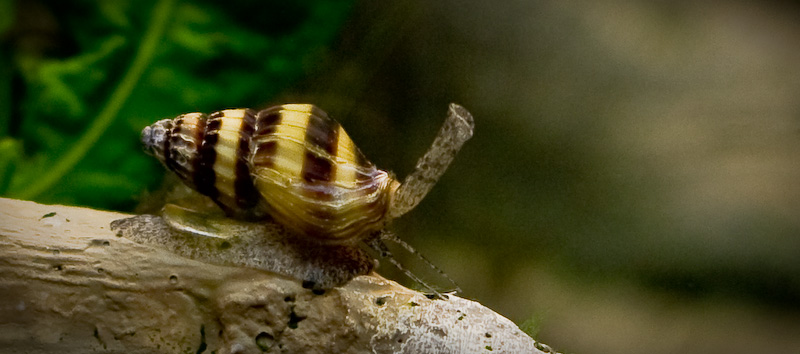
Assassin snails, scientifically classified as Anentome helena (previously known as Clea helena), are captivating freshwater gastropods renowned for their predatory prowess in both natural ecosystems and aquarium settings. Originating from Southeast Asia, these snails serve as natural regulators of snail populations, making them a favorite among aquarists seeking biological snail control.
Algae eating (herbivorous) snails can be an important part of a healthy aquarium. They not only consume excess algae but also uneaten food on the bottom of the tank, preventing bacteria blooms and fouling of the water. If you have too many snails it may mean that you are overfeeding your fish or have conditions that promote too much algae. Assassin snails can eliminate all other snails, so they should not be placed in an aquarium where other types of snails are desired.
At Aquaponics.pro we keep our assassin snails in their own tank and feed them mostly frozen brine shrimp, and other snails only once in awhile. Most of our other tanks have ramshorn snails.
This article covers assassin snail taxonomy, physical traits, habitat, behavior, diet, reproduction, aquarium husbandry, compatibility, and ecological implications.
Taxonomy and Classification
The classification of assassin snails has evolved with recent phylogenetic studies. Initially placed in the genus Clea, molecular and morphological analyses have reclassified the species into the genus Anentome, with A. helena as the type species. This revision stems from distinctions in shell morphology, operculum structure (concave with a basal nucleus), and radula configuration (three teeth per row, central tooth arched with cusps). A. helena is part of the family Nassariidae (subfamily Anentominae) within the order Neogastropoda, a predominantly marine group with rare freshwater adaptations. Notably, A. helena represents a species complex, potentially comprising at least four cryptic species, with aquarium specimens often sourced from Thailand rather than the original Java type locality. This taxonomic refinement addresses inaccuracies in older hobbyist literature that may use outdated nomenclature without recognizing the genetic diversity.
Physical Description and Anatomy
Assassin snails exhibit a distinctive appearance that aids in their identification and appeal. Their shells are conical and fusiform, typically reaching 1.3-2.5 cm in length at maturity, though some may grow slightly larger under ideal conditions. The shell features 5-6 whorls with lateral ridges and alternating bands of yellow and dark brown, evoking a bumblebee pattern—hence the nickname "bumblebee snails." The apical tip often erodes in older individuals, and the shell's thickness provides protection.
The body is yellowish-grey with speckles, supported by a muscular foot for locomotion and burrowing. Key anatomical features include an extendable siphon—a tube-like mantle fold serving as both a respiratory organ and chemoreceptor for prey detection. The proboscis extracts flesh from prey, while tentacles with basal eyes detect light gradients. The foregut lacks a gland of Leiblein but includes a small valve, and the reproductive system is gonochoristic with a long vestibule and copulatory bursa. These traits underscore their adaptation as carnivorous neogastropods, contrasting with herbivorous or detritivorous snails.
Natural Habitat and Distribution
In the wild, assassin snails inhabit tropical freshwater environments across Southeast Asia, including southern China, Thailand, Malaysia, Indonesia (Java, Sumatra, Borneo), Cambodia, Vietnam, Laos, and the Philippines. They thrive in lower coastal rivers, lakes, ponds, estuaries, canals, ditches, reservoirs, and agricultural waters, preferring sandy or muddy substrates for burrowing. These habitats often feature stagnant or slow-moving waters with brackish influences, though they are fully freshwater-adapted.
Optimal conditions include temperatures of 22-27°C (tolerating 18-30°C), pH 6.8-8.0, and moderate water hardness. They are not listed as endangered on the IUCN Red List, but their aquarium trade popularity raises concerns about invasiveness. Established populations exist in non-native areas like Singapore's Kranji Reservoir (since 2016), Israel, India, and potentially the US, posing threats to local biodiversity through unchecked predation. Captive snails should never be released into the wild, even in cold habitats where they are unlikely to survive the winter.
Behavior and Temperament
Assassin snails are primarily nocturnal, emerging more actively at night but observable during the day in aquariums. They spend significant time buried in substrates, with only the siphon exposed for environmental monitoring. This behavior facilitates ambush predation and energy conservation. They are opportunistic hunters, employing both passive waiting and active pursuit, and can collaborate in groups to subdue larger prey—a rare trait among gastropods.
Generally peaceful toward non-snail tank mates, they avoid cannibalism except in extreme starvation, where smaller conspecifics may be targeted. Their low aggression suits community setups, though they are not truly social.
Hunting and Predation Mechanisms
Assassin snails excel as predators, particularly in controlling pest snails like bladder, ramshorn, and Malaysian trumpet species. In large tanks (e.g., 20-75 gallons), they locate prey efficiently despite spatial challenges. The siphon acts as a primary chemoreceptor, sampling water for chemical cues such as mucus trails, secretions, waste, or distress signals from other snails. These dissolved signals create scent gradients, allowing directional tracking even over distances.
Hunting strategies include:
- Ambush: Buried in soft substrate, they detect nearby prey via intensified cues and strike quickly with the muscular foot and proboscis.
- Active Pursuit: Following slime trails or gradients, they crawl purposefully toward sources, aided by tank currents dispersing cues.
Factors enhancing detection in spacious environments include gentle water flow, high prey density, nocturnal activity peaks, and complex layouts with plants or hides. They consume 1-3 snails daily, depending on size and availability, and show individual specialization—some prefer specific prey types (e.g., ramshorn over trumpet snails) regardless of abundance. Experiments demonstrate non-selective predation on native species, with higher rates on smaller or denser targets.
Diet and Feeding
As strict carnivores, assassin snails primarily feed on other gastropods, worms, carrion, and fish eggs, eschewing algae or plants. They scavenge opportunistically, with diets comprising over 50% of preferred items due to specialization. In snail-scarce scenarios, they may target alternatives such as small shrimp. :
Supplemental feeding is essential without snails: they readily accept frozen bloodworms, brine shrimp, mysis shrimp, sinking pellets, or high-protein flakes. Freeze-dried tubifex worms or brine shrimp are sometimes consumed if hungry, but frozen forms are preferred. Feed at night, sparingly, with calcium sources for shell health, and remove uneaten food to maintain water quality.
Aquarium Care: Tank Setup, Water Parameters, and Compatibility
Assassin snails are hardy and beginner-friendly, requiring a minimum 5-gallon tank for individuals, with 10+ gallons for groups to enable natural behaviors. Use soft, deep substrate (fine sand or soil) for burrowing; avoid sharp materials. Water parameters: 24-28°C, pH 7.0-8.0, GH 6-20, KH 2-10, nitrates <20 ppm. Add crushed coral for hardness if needed, ensure cycling, and use a secure lid to prevent escapes. Planted tanks stabilize conditions without harm to flora.
Compatibility: Peaceful with fish (e.g., guppies, otocinclus, pygmy corydoras) and non-predatory inverts, but predatory toward other snails (avoid mystery or nerite species). Dwarf shrimp face low-moderate risk; avoid snail-eaters like puffers or loaches. Lifespan reaches up to 5 years in optimal care, though scientific verification is limited. Acclimate via drip method.
Breeding and Reproduction
Gonochoristic with indistinguishable sexes, breeding requires groups (4-6) for success. Mating involves prolonged mounting and internal fertilization. Females deposit 1-4 transparent, square egg capsules (each with one egg) on hard surfaces. Non-planktotrophic development yields crawling juveniles after 46-58 days at >20°C. Hatchlings (3-3.5 mm) burrow and feed on microbes initially, maturing in 6 months. Slow reproduction prevents overpopulation; optimize with warmth and nutrition.
Benefits, Drawbacks, and Invasive Potential
Benefits include effective, chemical-free snail control, hardiness, and aesthetic value. Drawbacks: Slow snail eradication in cold/large tanks, potential starvation post-elimination (requiring supplements), and rare shrimp predation. Ecologically, their non-selective predation threatens native biota in invaded areas, exacerbated by climate warming. Ethical husbandry is crucial to mitigate risks.
Conclusion
Assassin snails embody a blend of biological intrigue and practical utility, from their chemosensory hunting in vast habitats to their role in sustainable aquaria. By adhering to verified care practices and avoiding releases, enthusiasts can enjoy these predators responsibly while preserving ecosystems.
References
- Aquarium Co-Op. "Care Guide for Assassin Snails." https://www.aquariumcoop.com/blogs/aquarium/assassin-snail
- The Shrimp Farm. "Assassin Snail Care." https://www.theshrimpfarm.com/posts/assassin-snail-care
- A-Z Animals. "Assassin Snail Animal Facts." https://a-z-animals.com/animals/assassin-snail-2
- Shrimp and Snail Breeder. "Assassin Snail – Detailed Guide." https://aquariumbreeder.com/assassin-snail-detailed-guide-care-diet-and-breeding (Cited as 18)
- Strong EE, Galindo LA, Kantor YI. Quid est Clea helena? Evidence for a previously unrecognized radiation of assassin snails (Gastropoda: Buccinoidea: Nassariidae). PeerJ. 2017;5:e3638. doi:10.7717/peerj.3638.
- Ng TH, Tan SK, Ahmad AB, et al. Clea helena (assassin snail). CABI Compendium. 2016. doi:10.1079/cabicompendium.108187. (Cited as 19)
- Dhiman V, Pant D. The Exotic Gastropod Clea helena (von dem Busch, 1847) as a Predator of Freshwater Gastropods: A Threat to Native Biota in India? Water. 2021;13(15):2030. doi:10.3390/w13152030.
- Modrzyk M, Kostosz A, Jaskuła R, et al. Assassin snails (Anentome helena) as a biological model for exploring the effects of individual specialisation within generalist predators. PLoS ONE. 2022;17(3):e0264996. doi:10.1371/journal.pone.0264996.